Event and Season Stocking for Demand Peaks Across Retail Stores

In retail, demand is rarely consistent. Festivals, promotions, and seasonal trends create sharp spikes in sales that can significantly impact inventory performance. Without proper planning, retailers either run out of high-demand products or overstock items that don’t move.
Store-to-Store Transfer Planning for Balanced Multi-Store Inventory

In multi-store retail, inventory imbalance is a common challenge. While some stores face stock-outs, others hold excess inventory of the same products. This mismatch leads to lost sales on one end and blocked capital on the other.
Warehouse-to-Store Distribution for Efficient Retail Inventory Flow
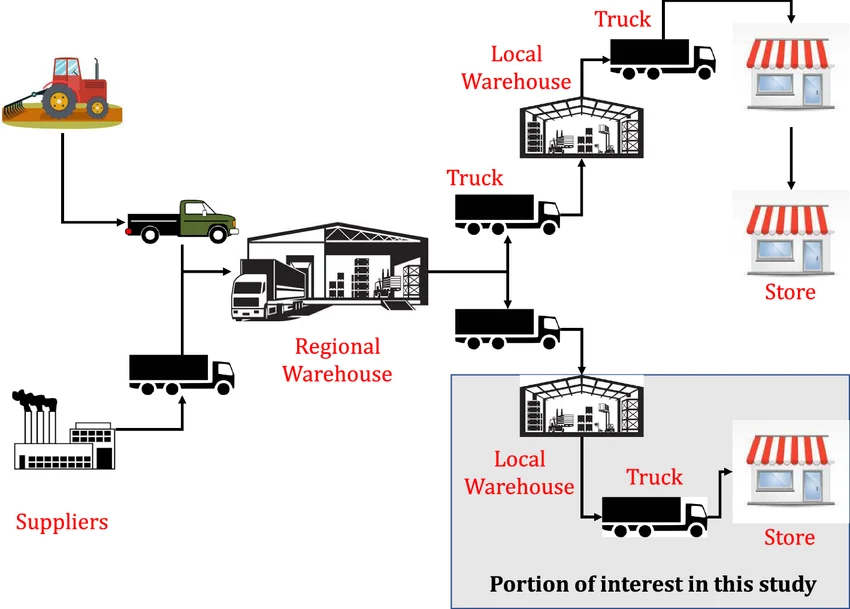
In multi-store retail, how inventory moves from the warehouse to stores is just as important as how much inventory is available. Poor distribution decisions often lead to stock-outs in high-demand locations and excess inventory in others.
Velocity-Based Allocation Engine for Faster, Smarter Stock Decisions
In multi-store retail, one of the most common allocation mistakes is treating every store the same. Products are often distributed evenly or based on static rules, without considering how quickly each store actually sells.
Store-Level Inventory View for Smarter Multi-Store Stock Decisions
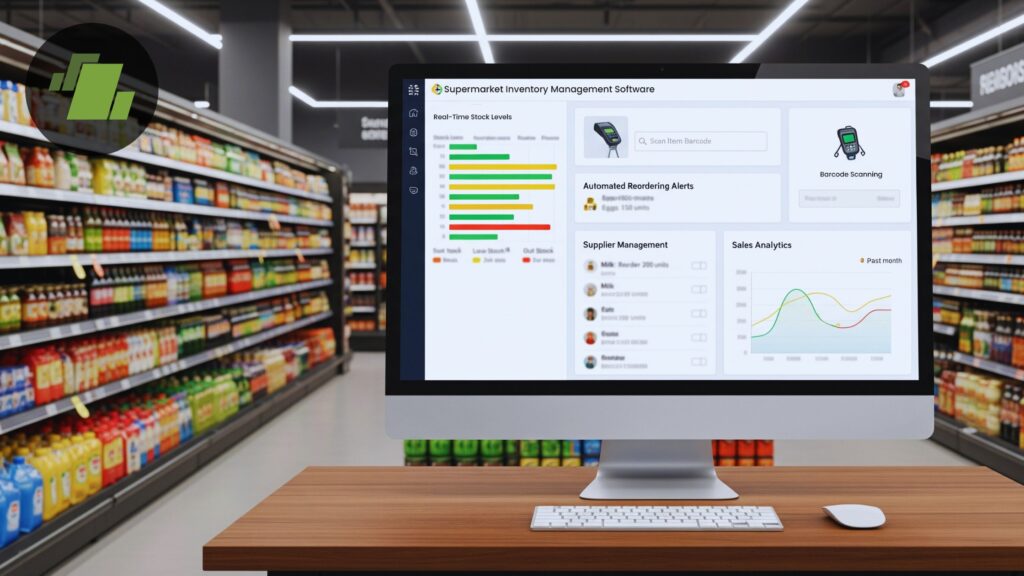
In multi-store retail, most inventory problems don’t start with poor planning, they start with poor visibility. When teams lack a clear, store-by-store view of stock, decisions become reactive, inconsistent, and often too late.
What Months of Cover Actually Means, and How to Compute It Correctly

Most retailers track stock in units or value. Months of cover tells you something units cannot: how long your stock will last at the current rate of sale.
Seasonal Event Stocking is Not the Same as Regular Replenishment
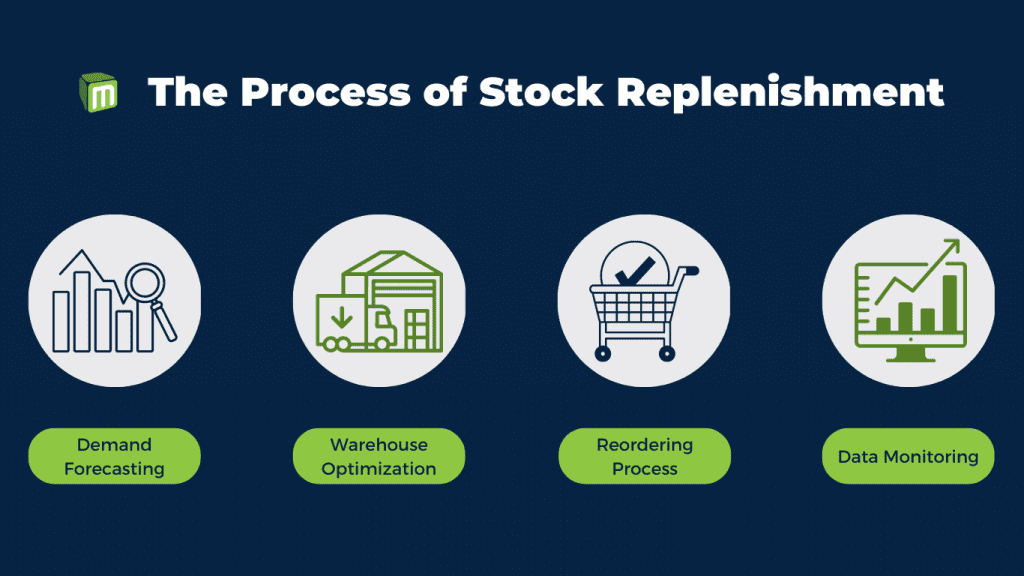
AT and Diwali demand spikes are predictable. Yet most retailers enter them understocked at their best stores and overstocked at their worst.
Why Spreadsheet-Based Allocation Breaks Above 50 Stores
The problem is not the spreadsheet. It is that planning logic built for 10 stores does not scale to 100 without collapsing under its own weight.
The Hidden Cost of Dead Stock in Jewellery Retail

Dead stock is often seen as a normal part of jewellery retail.
Every retailer has some.
Every season leaves a few unsold pieces behind.
So it gets ignored.
But what most retailers underestimate is this:
Dead stock is not just unsold inventory.
It is capital silently losing value every day.
Why Most Multi-Store Jewellery Retailers Struggle with Inventory Visibility

In a multi-store jewellery business, inventory is your biggest investment.
And yet, for many retailers, it is also the least visible.
On paper, everything looks fine.
Total stock value is known. Systems are in place. Reports are generated.