
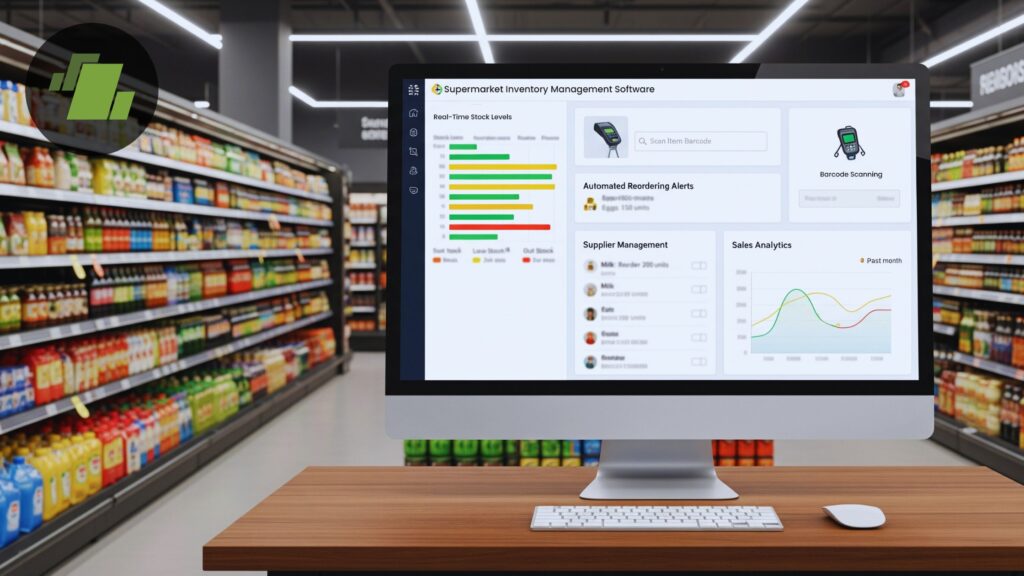
In multi-store retail, most inventory problems don’t start with poor planning—they start with poor visibility. When teams lack a clear, store-by-store view of stock, decisions become reactive, inconsistent, and often too late.
A store-level inventory view changes that. It brings together stock, sales velocity, and demand signals across every store into a single, actionable interface.
The Problem with Aggregated Data
Many retailers still rely on aggregate reports—total stock by region or category. While useful for high-level tracking, this hides critical differences between stores.
Two stores may show the same stock level, but:
- One could be selling fast and heading toward a stock-out
- The other could be overstocked with slow-moving inventory
Without store-level visibility, both are treated the same—and that’s where inefficiencies begin.
What a Store-Level View Enables
A proper store-level inventory view allows teams to:
1. Spot Stock Gaps Early
Identify stores that are likely to run out of key SKUs before it impacts sales.
2. Detect Overstock Risks
Pinpoint where inventory is sitting idle and tying up working capital.
3. Compare Store Performance
Understand how the same product performs across different locations and clusters.
4. Prioritize Actions
Instead of reviewing everything, teams can focus only on stores that need intervention.
From Data to Decisions
The real value isn’t just visibility—it’s decision-making.
With store-level insights, teams can:
- Reallocate stock from low-performing stores to high-demand ones
- Adjust replenishment plans based on actual demand
- Align inventory with local buying behavior
This shifts planning from static rules to dynamic, data-driven decisions.
Why It Matters for Scale
As store networks grow, complexity increases. What works for 10 stores doesn’t work for 100+.
A store-level inventory view ensures:
- Consistency in decision-making
- Faster response to demand changes
- Reduced dependency on manual reporting
Conclusion
Inventory performance is ultimately decided at the store level. Without that level of visibility, even the best strategies fall short.
A store-level inventory view is not just a reporting upgrade—it’s the foundation for smarter allocation, faster planning, and more profitable retail operations.