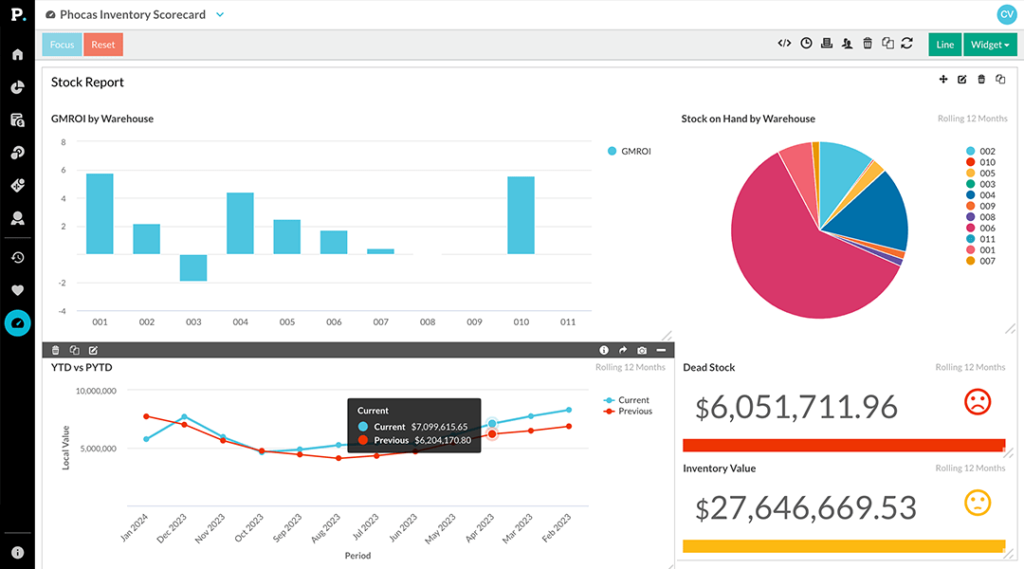
In multi-store retail, knowing how much stock you have is not enough. The real question is: how long will that stock last? Without this clarity, teams either overstock products that don’t move or run out of high-demand items.
Months of Cover and Adequacy Metrics provide a clear answer by linking inventory levels with actual demand.
The Problem with Static Stock Numbers
Traditional inventory tracking focuses on quantity, units in stock, units sold, and units ordered. While useful, these numbers don’t indicate whether the stock is sufficient or excessive.
For example:
- Two stores may hold the same quantity of a product
- One store may sell out in weeks, while another may take months
Without context, both situations look identical.
What Months of Cover Means
Months of Cover measures how long current inventory will last based on recent sales velocity.
Instead of asking, “How much stock do we have?”
It answers, “How long will this stock last at the current rate of sale?”
What Adequacy Metrics Add
Adequacy metrics go a step further by evaluating whether stock levels are appropriate for future demand.
They help classify inventory as:
- Understocked
- Adequately stocked
- Overstocked
This provides clear guidance for planning actions.
How It Works
A structured system typically:
- Tracks sales velocity at the store level
- Calculates months of cover for each product
- Compares stock levels against target thresholds
- Flags stores that require replenishment or correction
This ensures that inventory decisions are based on both quantity and demand.
Key Benefits
1. Better Stock Visibility
Teams understand not just what they have, but how long it will last.
2. Reduced Overstock and Stock-Outs
Inventory levels are aligned with actual demand patterns.
3. Improved Planning Accuracy
Replenishment and allocation decisions become more precise.
4. Faster Decision-Making
Clear metrics reduce the need for manual analysis.
Why It Matters
As store networks grow, managing inventory manually becomes increasingly complex. Without metrics like months of cover, teams rely on assumptions rather than data.
These metrics bring structure and clarity to planning, especially during fluctuating demand periods.
Conclusion
Months of Cover and Adequacy Metrics transform inventory data into actionable insight. By connecting stock levels with demand, they help retailers make smarter decisions, reduce inefficiencies, and maintain optimal inventory across all stores.